

Is There a Vape Flavour Ban in Ontario? What Adults Need to Know
- Posted on
- By Forest City Vape
- Posted in adult vaping ontario, canada vape flavour ban, canada vaping updates, canadian vape industry, canadian vape laws, federal vape regulations, flavoured vapes canada, Forest City Vape, health canada flavour ban, health canada vaping rules, legal vaping ontario, london ontario vape shop, nicotine regulations canada, ontario vape flavour ban, ontario vape news, ontario vape regulations, ontario vape store, provincial vape laws ontario, vape ban canada, vape flavour ban ontario, vape laws 19+, vape regulations canada, vape shop ontario, vape store london ontario, vape tax canada
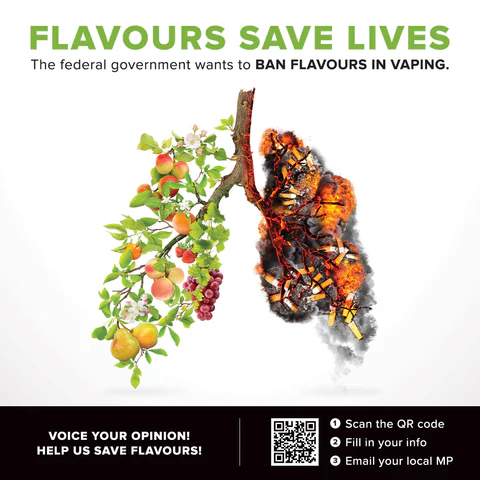
There is currently no flavour ban in Ontario. Flavoured vaping products remain legally available to adults 19+ through licensed retailers. This blog clarifies common misconceptions, explains current federal and provincial vaping regulations, and outline how Ontario vape shops continue to operate responsibly under Health Canada guidelines.
Is There a Vape Flavour Ban in Ontario?
There has been ongoing discussion around a potential vape flavour ban in Ontario, which has caused confusion for many adult consumers. As of now, Ontario has not implemented a full ban on vape flavours. Flavoured vaping products remain legally available to adults aged 19 and over through licensed and regulated retailers.
What Is Being Discussed?
A vape flavour ban refers to proposed regulations that would restrict or eliminate flavoured vaping products, primarily to reduce youth access and appeal. These discussions have occurred at both the provincial and federal levels, but proposal are not the same as law.
What Is Currently Legal In Ontario?
At this time, Ontario allows:
- Sale of flavoured vaping products to adults 19+
- Fruit, menthol, dessert, and beverage flavour profiles
- Products that comply with federal nicotine limits (maximum 20mg/mL)
- Sales only through age verified, licenses retailers
Availability may vary by retailer based on compliance and supplier decisions.
What Is Restricted?
Rather than banning flavours, current regulations focus on how products are marketed:
- No youth appealing branding or imagery
- No advertising aimed at minors
- No health or lifestyle claims
- Mandatory nicotine warnings and compliant packaging
These rules are intended to balance youth protection with adult access.
Why Banning Vape Flavours Could Be Harmful?
While flavour ban are often proposed as a way to reduce youth vaping, many adult vapers are harm reduction advocates argue that banning flavours could have unintended consequences.
For many adults, flavoured vaping products play a key role in helping them move away from combustible cigarettes. Research and consumers feedback consistently show that non-tobacco flavours are preferred by adult smokers who switch to vaping, making it easier to fully transition away from traditional smoking.
Removing access to flavours could push someone adults back to cigarettes or toward unregulated sources, which raises safety concerns. When legal, regulated vape products are restricted, consumers may turn to informal markets where product quality, ingredient transparency, and safety standards are not guaranteed.
There is also concern that broad flavour bans may negatively impact small, licensed vape shops that operate responsibly within federal and provincial regulations. These businesses follow strict age verification rules, product compliance standards, and Health Canada guidelines designed to protect consumers and prevent youth access.
Rather than outright bans, many advocates support targeted approaches, such as strong age enforcement, retailer accountability, and clear products standards, as more effective ways to address youth vaping while still supporting adults harm reduction options.
Staying Informed
Vaping regulations may change in the future. Adult consumers are encouraged to stay informed through:
- Official Health Canada updates
- Ontario government announcements
- Licensed vape retailers following current laws
Final Note
This content is provided for educational purposes only and reflects current Ontario and Canadian regulations at the time of publication. Vaping products contain nicotine, which is addictive, and are intended for adults aged 19+ only.
Information is informed by pubicaly available resourced from Health Canada the Government of Ontario.